January 19, 2026
This article delves into various elements that can influence the cost of towing services. Understanding these factors will help you navigate and potentially reduce unexpected expenses associated with car breakdowns and the need for towing services. While car troubles can lead to unexpected costs, knowing the cost-driving factors can reduce surprises. Furthermore, being informed can help you make strategic decisions when choosing service providers. Let's explore how different variables could impact your towing service costs.
1. Distance to Destination
When considering towing costs, the distance to the destination is a primary factor. Short-distance, or local towing, is typically less expensive due to reduced fuel consumption. However, long-distance towing can significantly increase costs, particularly when multiple miles are added. According to SmartFinancial, the cost for towing over long distances, such as 100 or 200 miles, typically depends on location, type of tow, and possession of roadside assistance through insurance. Understanding your specific towing distance needs can empower you to anticipate costs more accurately.
The varied fuel costs posed by different towing distances also play into the final bill. With the volatility of fuel prices, the cost of a tow can be unpredictable. Towing companies factor fuel into their rates, meaning farther destinations equal higher prices. Therefore, scheduling your tow during times when fuel prices are lower may help you reduce expenses. Paying attention to current fuel costs can make a meaningful difference in towing expenses.
Time spent on the road also influences the costs associated with towing. Longer distances require drivers to spend more time handling your vehicle, which adds labor costs. The complexity of the travel route is also a factor. Routes that involve narrow roads, steep inclines, or difficult turns may cost more due to the increased effort involved. Mileage fees for these complex routes can often add unexpected costs to your towing expense.
2. Type of Vehicle
The type of vehicle in need of a tow is another key factor that affects the cost. Larger vehicles, such as trucks and SUVs, may cost more to tow due to their size and weight. These vehicles may require specialized equipment or larger tow trucks, which often increases the rate. In some cases, classic or vintage cars may also incur higher towing fees if they need to be handled with extra care. Understanding the specifics of how your vehicle type impacts towing costs will help you make informed decisions when you need service.
A vehicle's model and make can also play into towing expenses. Premium or luxury vehicles might present unique challenges for towing service providers. They may necessitate specific equipment or expertise, adding to the total cost. Additionally, luxury models are often better protected by insurance and roadside assistance plans, potentially offsetting direct costs to the vehicle owner. Thus, checking your insurance and assistance plans is crucial when determining potential expenses.
Specialty vehicle requirements can also drive up towing service costs. If your vehicle needs trailer towing, special dollies, or hook-and-chain methods, you may face additional charges. Motorcycles and SUVs often require unique handling methods that affect the pricing structure. It’s important to ask your towing provider what type of equipment they will use and what the associated costs might be. By doing so, you can gain a sense of control over how much you might expect to pay.
3. Time of Day or Week
The timing of when you need a towing service can significantly influence the cost. Daytime rates are generally lower compared to nighttime due to the ease of operation and increased manpower during regular business hours. Nighttime towing often incurs higher rates because service providers either have to adjust schedules or pay workers overtime. Consequently, if your vehicle breaks down after dark, prepare for a potential spike in expenses. Being strategic about scheduling a tow during regular hours whenever possible can help you avoid overpaying.
Another timing factor that affects towing service costs is the day of the week. Weekend and holiday service requests usually come with a surcharge because providers must compensate staff for working non-standard hours. Rush hour, with its heavy traffic, can also delay a tow truck's arrival, thereby prolonging the job and increasing labor costs. Such operational constraints necessitate a surplus charge that ultimately affects your bill. Whenever feasible, scheduling outside of peak traffic times or holidays can help mitigate costs.
Emergency towing situations typically have their own pricing schemes, primarily due to the urgent nature of the call. Emergency responses require immediate action, often resulting in expedited service costs. The cost may further increase if the tow truck has to navigate through difficult routes due to heavy traffic or other inhibiting circumstances. Scheduling flexibility becomes critical in non-urgent situations to help you avoid these extra charges. Thus, understanding the timing implications in your case allows you to plan better for costs.
4. Type of Towing Service Required
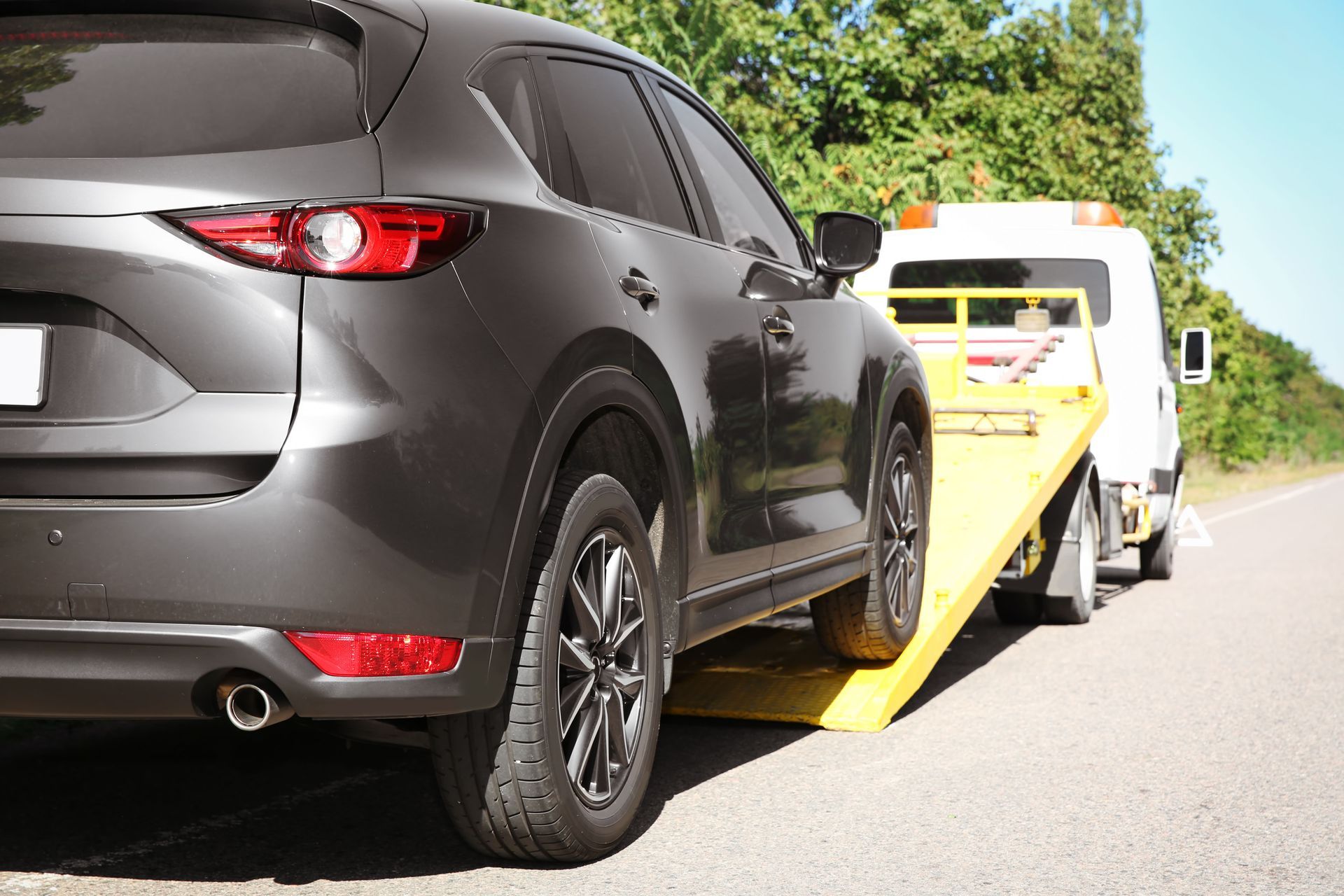
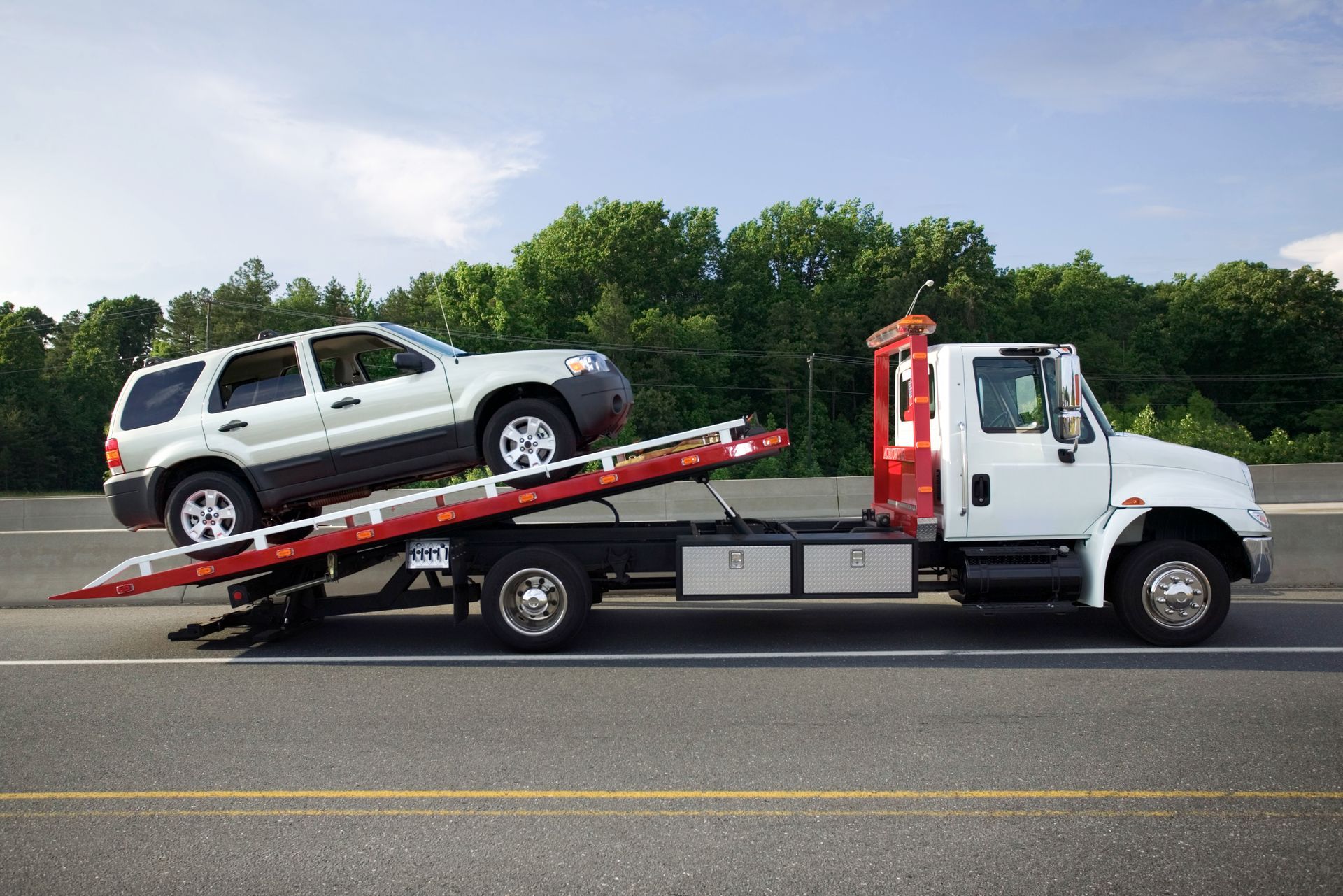
Different towing methods can affect the cost of service. Flatbed towing is often more expensive than the hook-and-chain method due to its increased safety and utility. This method ensures comprehensive support for your vehicle during transit, a requirement for luxury or specialty vehicles. In contrast, the hook-and-chain method may suffice for more traditional cars. However, opting for cheaper methods may not always be the smartest decision when considering the vehicle's condition and value.
Roadside assistance services that towing companies offer usually impact the bottom line. These services might include tire changes, jump-starts, or fuel delivery and can be included in comprehensive towing packages. While these services add to the cost, having immediate minor fixes can avoid larger expenditures in the long run. Knowing whether you possess such coverage with a towing agency or through an insurer can significantly diminish upfront costs. Engaging such services strategically can mean fewer unpleasant surprises on your bill.
Winching and extrication services are other forms of towing assistance that can affect costs. These services are necessary when a vehicle is stuck off-road or in precarious situations, such as a ditch. The requirement for specialized equipment and techniques generally puts them in a higher cost bracket. Tow-away zone enforcement services may similarly increase expenses, especially if specific permissions or additional liabilities are involved. Thus, knowing what your situation demands helps assess potential costs better.
5. Location and Accessibility
Where your vehicle is located when you need towing service can heavily influence the cost. Urban areas typically have competitive rates due to the high availability of services, but expect to pay more for immediate or rush services. Conversely, rural areas may have limited towing company choices and, consequently, higher service costs. Parking garages introduce additional fees due to complexity and space constraints. Understanding these geographical and infrastructural implications helps evaluate cost-effectiveness.
Accessibility also affects the expenses of retrieving your vehicle. Difficult-to-access areas, such as those requiring off-road vehicles or winching services, usually involve extra charges. When a tow truck has to deal with obstacles like narrow alleys or closed urban environs, increased labor costs become inevitable. Geographic toll areas can add another layer of costs as some service providers pass these fees on to the customer. Therefore, location and accessibility should be factors in estimating potential towing expenses.
The cost of a towing service can be influenced by a myriad of factors. Being aware of these elements can aid you in preparing for and managing potential towing expenses more effectively, whether it's choosing the right service provider or opting for alternative solutions. By making informed decisions, you can mitigate unexpected costs and ensure a smoother experience when handling roadside emergencies. Understanding these factors leaves you well-prepared to face any towing-related situation. Ultimately, research and strategic planning can lead to significant cost savings, providing peace of mind and financial efficiency when unexpected vehicle issues occur. Reach out to Carolina Pro Recovery to learn more today.